



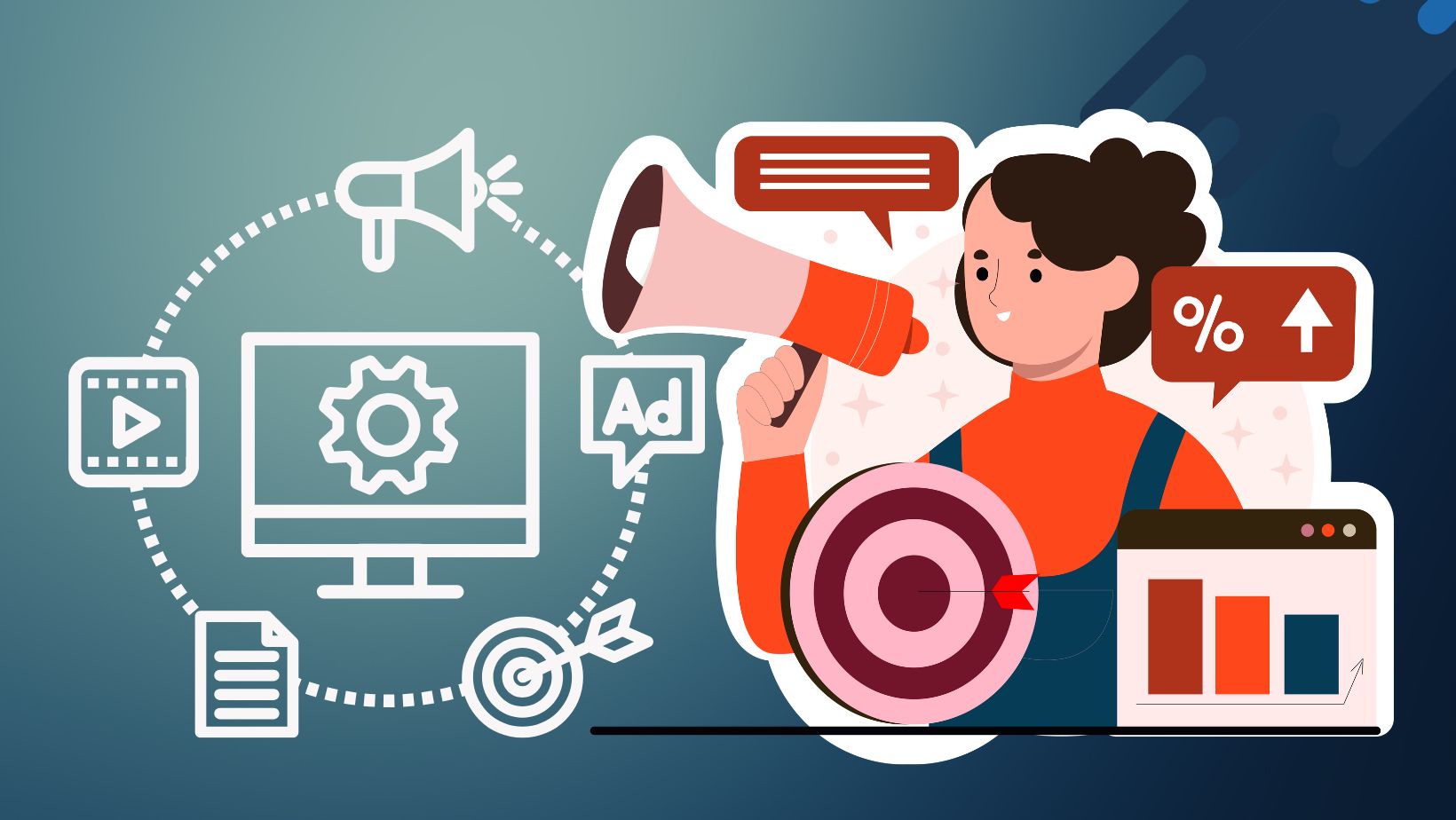
Before diving into a detailed overview of key digital marketing channels, let’s first explore the full spectrum of channels used in digital marketing. These channels vary in popularity, reach, and application, ranging from widely adopted to niche or emerging options. Below is a categorized list of popular, exclusive (specialized), and lesser-known digital marketing channels, followed by a detailed explanation of the five primary channels: SEO, PPC, Content Marketing, Social Media Marketing, and Email Marketing.
A Comprehensive List of Popular Digital Marketing Channels
These are widely used, highly effective channels that form the backbone of most digital marketing strategies:
- Search Engine Optimization (SEO) – Optimizing websites to rank higher on search engine results pages (SERPs) for organic traffic.
- Pay-Per-Click (PPC) Advertising – Paid ads on search engines or websites where advertisers pay per click.
- Social Media Marketing – Promoting brands on platforms like Facebook, Instagram, Twitter, LinkedIn, and TikTok.
- Content Marketing – Creating valuable content (e.g., blogs, videos, infographics) to attract and engage audiences.
- Email Marketing – Sending targeted emails to nurture leads and drive conversions.
- Affiliate Marketing – Partnering with affiliates to promote products/services for a commission.
- Video Marketing – Using platforms like YouTube or Vimeo to share branded videos for engagement and awareness.
A Comprehensive List of Exclusive (Specialized) Digital Marketing Channels
These channels are more targeted, often used by businesses with specific audiences or goals:
- Influencer Marketing – Collaborating with influencers to promote products to their followers.
- Native Advertising – Paid ads that blend seamlessly with the platform’s content (e.g., sponsored articles).
- Programmatic Advertising – Automated, data-driven ad buying for precise audience targeting.
- Remarketing/Retargeting – Targeting users who previously interacted with a brand using tailored ads.
- Mobile Marketing – Campaigns tailored for mobile devices, including SMS, push notifications, or in-app ads.
- Voice Search Optimization – Optimizing content for voice-activated devices like Alexa or Google Assistant.
A Comprehensive List of Less-Known/Emerging Digital Marketing Channels
These are niche or newer channels that are gaining traction but are less commonly used:
- Augmented Reality (AR) Marketing – Using AR to create interactive experiences (e.g., virtual try-ons).
- Virtual Reality (VR) Marketing – Immersive VR campaigns for experiential branding.
- Chatbot Marketing – Using AI-powered chatbots for customer engagement and lead generation.
- Podcast Advertising – Sponsoring or creating podcasts to reach niche audiences.
- Interactive Content Marketing – Engaging users with quizzes, polls, or calculators.
- Web3 Marketing – Leveraging blockchain, NFTs, or decentralized platforms for marketing.
- Geofencing Marketing – Location-based ads targeting users in specific geographic areas.
- Community Marketing – Building and engaging online communities on platforms like Discord or Reddit.
- Over-the-Top (OTT) Advertising – Ads on streaming platforms like Netflix or Hulu.
- Gamification Marketing – Incorporating game-like elements to engage users (e.g., reward-based apps).
This list covers the spectrum of digital marketing channels based on current trends and practices. Below, we focus on the five most popular and foundational channels—SEO, PPC, Content Marketing, Social Media Marketing, and Email Marketing—providing a detailed overview for each.
Detailed Overview of Key Digital Marketing Channels
1. Search Engine Optimization (SEO)
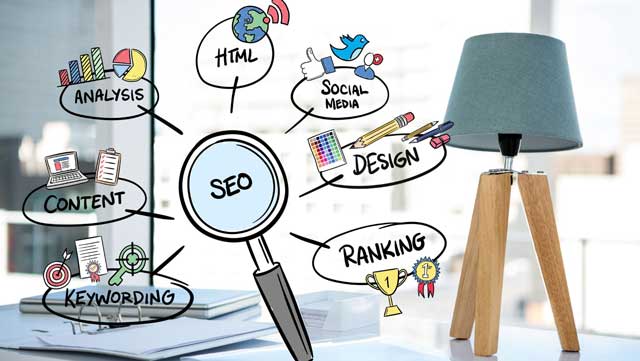
Search Engine Optimization (SEO) is the process of improving a website’s visibility on search engine results pages (SERPs) like Google, Bing, or Yahoo to drive organic (non-paid) traffic. SEO involves optimizing content, site structure, and technical elements to align with search engine algorithms.
How It Works
- Keyword Research: Identify high-traffic, low-competition keywords using tools like Google Keyword Planner, SEMrush, or Ahrefs to match user search intent.
- On-Page SEO: Optimize webpage elements like titles, meta descriptions, headings, images, and content with targeted keywords.
- Off-Page SEO: Build authority through backlinks from reputable websites, social shares, and online mentions.
- Technical SEO: Enhance site speed, mobile-friendliness, URL structure, and crawlability to improve user experience and search engine performance.
- Local SEO: Optimize for location-based searches (e.g., “dentist near me”) using Google Business Profile and local keywords.
Benefits
- Cost-Effective: Organic traffic requires no direct ad spend, offering long-term value.
- High-Intent Audience: Attracts users actively searching for solutions, increasing conversion potential.
- Sustainable Growth: Well-optimized sites maintain rankings with consistent effort.
Challenges
- Time-Intensive: Significant results can take 3–6 months or longer, depending on competition.
- Algorithm Updates: Search engines like Google frequently change algorithms, requiring adaptability.
- Competitive Keywords: High-value keywords in industries like finance or e-commerce are highly competitive.
Example
A local coffee shop optimizes its website for “best coffee in Seattle” by including the keyword in blog posts, updating its Google Business Profile with customer reviews, and earning backlinks from local food blogs. Within months, it ranks on Google’s first page, driving more foot traffic.Metrics
- Organic traffic, keyword rankings, click-through rate (CTR), bounce rate, backlink quality, domain authority.
Funnel Alignment
- Awareness: Targets broad keywords to attract new visitors.
- Consideration: Uses mid-funnel keywords (e.g., “best coffee shop for remote work”) to engage prospects researching options.
2. Pay-Per-Click (PPC) Advertising
Pay-Per-Click (PPC) is a paid advertising model where advertisers pay a fee each time their ad is clicked. Ads appear on search engines (e.g., Google Ads), social media platforms, or websites, targeting specific audiences based on demographics, interests, or behaviors.
How It Works
- Keyword Bidding: Advertisers bid on keywords for search ads (e.g., “buy running shoes”) or audience segments for display/social ads.
- Ad Creation: Craft compelling ad copy, visuals, and CTAs to drive clicks and conversions.
- Targeting: Use parameters like location, age, interests, or search history to reach the right audience.
- Retargeting: Show ads to users who previously visited the website but didn’t convert.
- Landing Pages: Direct users to optimized pages designed for conversions (e.g., product purchase, form submission).
Benefits
- Immediate Results: Ads generate traffic as soon as campaigns launch.
- Precise Targeting: Reach specific audiences with tailored messaging.
- Measurable ROI: Real-time tracking of clicks, conversions, and costs.
Challenges
- High Costs: Competitive keywords or industries (e.g., legal, insurance) can have high cost-per-click (CPC) rates.
- Requires Expertise: Ongoing optimization is needed to maximize ROI and avoid wasted spend.
- Ad Fatigue: Repetitive or irrelevant ads may reduce effectiveness over time.
Example
An online pet store runs a Google Ads campaign targeting “dog food delivery.” The ad links to a landing page offering a 10% first-order discount, driving immediate sales. They also retarget website visitors with display ads, increasing conversions.Metrics
- Click-through rate (CTR), cost per click (CPC), conversion rate, return on ad spend (ROAS), cost per acquisition (CPA).
Funnel Alignment
- Awareness: Broad display ads to introduce the brand.
- Consideration: Retargeting ads to re-engage interested users.
- Conversion: Search ads targeting high-intent keywords to drive purchases.
3. Content Marketing
Content Marketing involves creating and distributing valuable, relevant content to attract, engage, and retain a target audience. Content types include blog posts, videos, infographics, eBooks, podcasts, webinars, and more, designed to educate, entertain, or inspire.
How It Works
- Content Strategy: Develop a content plan aligned with audience needs and business goals (e.g., brand awareness, lead generation).
- SEO Integration: Optimize content for search engines to drive organic traffic.
- Storytelling: Use narratives to build emotional connections and brand loyalty.
- Repurposing: Transform a single piece of content (e.g., a blog post) into videos, social posts, or emails to maximize reach.
- Lead Magnets: Offer downloadable content (e.g., guides, templates) to capture leads.
Benefits
- Builds Trust: Establishes authority and credibility in the industry.
- Versatile: Supports other channels like SEO, social media, and email marketing.
- Long-Term Value: Evergreen content continues to attract audiences over time.
Challenges
- Resource-Intensive: High-quality content requires time, skills, and budget.
- Consistency: Maintaining a regular content schedule can be demanding.
- ROI Measurement: Direct impact on sales can be harder to quantify compared to PPC.
Example
A fitness app publishes a blog series on “Beginner Workout Plans for 2025,” optimized for SEO. They repurpose the content into YouTube videos and Instagram Reels, driving traffic and app downloads. A free workout plan download captures leads for email campaigns.Metrics
- Website traffic, engagement (likes, shares, comments), lead generation, time on page, content downloads.
Funnel Alignment
- Awareness: Blogs, videos, or infographics to attract broad audiences.
- Consideration: Case studies, webinars, or guides to nurture leads.
- Conversion: Product-focused content with strong CTAs.
4. Social Media Marketing
Social Media Marketing uses platforms like Facebook, Instagram, Twitter, LinkedIn, TikTok, and others to promote brands, engage audiences, and drive traffic or sales. It combines organic content (posts, stories) and paid advertising to build awareness and community.
How It Works
- Platform Selection: Choose platforms based on audience demographics (e.g., LinkedIn for professionals, TikTok for Gen Z).
- Content Creation: Share engaging, platform-specific content like reels, carousels, or live streams.
- Paid Ads: Run targeted ads with precise audience segmentation (e.g., by location, interests).
- Community Management: Respond to comments, messages, and reviews to foster relationships.
- Influencer Collaboration: Partner with influencers to expand reach and credibility.
Benefits
- Massive Reach: Billions of active users provide vast audience potential.
- Engagement: Enables direct, two-way communication with customers.
- Brand Personality: Showcases values and voice through creative content.
Challenges
- Algorithm Changes: Platforms frequently update algorithms, reducing organic reach.
- Time-Consuming: Managing multiple platforms requires consistent effort.
- Negative Feedback: Public platforms can amplify criticism if not managed well.
Example
A skincare brand posts daily Instagram Reels showing product tutorials and runs targeted ads for a new serum, reaching women aged 25–40 interested in beauty. They engage followers through polls and comments, building a loyal community.Metrics
- Reach, impressions, engagement rate (likes, shares, comments), follower growth, ad conversions.
Funnel Alignment
- Awareness: Viral posts or broad-reach ads to attract new audiences.
- Consideration: Testimonials or live Q&As to build trust.
- Conversion: Shoppable posts or direct purchase links.
5. Email Marketing
Email Marketing involves sending targeted emails to a list of subscribers to promote products, share updates, or nurture relationships. It’s a direct, personalized channel for newsletters, promotions, or automated sequences.
How It Works
- List Building: Grow email lists through sign-up forms, lead magnets, or website pop-ups.
- Segmentation: Divide audiences by demographics, behavior, or purchase history for relevant campaigns.
- Personalization: Use subscriber data (e.g., names, preferences) to tailor emails.
- Automation: Set up sequences like welcome emails, cart abandonment reminders, or re-engagement campaigns.
- A/B Testing: Test subject lines, content, or CTAs to optimize performance.
Benefits
- High ROI: Delivers an average ROI of $42 for every $1 spent.
- Personalized: Allows tailored messaging based on user data.
- Direct: Reaches audiences directly in their inboxes.
Challenges
- Deliverability: Emails may land in spam folders if not optimized.
- List Fatigue: Over-emailing can lead to unsubscribes or low engagement.
- Compliance: Must follow regulations like GDPR or CAN-SPAM for user consent.
Example
An online bookstore sends a personalized email to customers who browsed fiction, offering a 15% discount on bestsellers. An automated cart abandonment email reminds users to complete their purchase, boosting conversions.Metrics
- Open rate, click-through rate, conversion rate, unsubscribe rate, deliverability.
Funnel Alignment
- Awareness: Newsletter sign-up campaigns to capture leads.
- Consideration: Educational email sequences to nurture interest.
- Conversion: Promotional emails with discounts or CTAs.
- Loyalty: Thank-you emails or loyalty program offers.
Integration and Synergy
While each channel is effective individually, the most successful digital marketing strategies integrate multiple channels to create a cohesive customer journey. For example:
- SEO + Content Marketing: Blogs optimized for keywords drive organic traffic.
- PPC + Email Marketing: Retarget website visitors with ads and follow up with personalized emails.
- Social Media + Content Marketing: Share blog posts or videos on social platforms to amplify reach.
- Email + Social Media: Promote email sign-ups via social campaigns to grow subscriber lists.
This integrated approach ensures brands engage audiences at multiple touchpoints, guiding them through the digital marketing funnel (Awareness, Consideration, Conversion, Loyalty).
Conclusion
The digital marketing landscape offers a diverse array of channels, from widely used options like SEO, PPC, Content Marketing, Social Media Marketing, and Email Marketing to specialized and emerging channels like AR marketing or Web3 campaigns. The five primary channels discussed provide a strong foundation for reaching and engaging audiences effectively. For students, understanding these channels—along with their strategies, benefits, and challenges—is crucial for building skills in a dynamic, high-demand field. By mastering these tools, you can create impactful campaigns that drive measurable results.
Leave a Reply